24.06.2020

TECC 2020: These 3 ideas emerged from the entrepreneurship programme

At the Training On Entrepreneurship & Company Creation (TECC), three new business ideas were developed, which have now been presented at a final pitch event.
/artikel/tecc-2020-these-3-ideas-emerged-from-the-entrepreneurship-programme
(c) TECC/AVL/Katrin Wrulich

The Corona crisis taught that the environment around us can change very quickly and we need to be more flexible and to constantly adapt our mindset to different situations, trying to catch new opportunities.

In such a complex environment, educational institutions and organizations are today closer than ever. They are working together to train young students, providing them with the skills and competences necessary to face the challenges of the future.

TECC – Training On Entrepreneurship & Company Creation – is an example of how universities and organizations can cooperate through innovative training formats which ehance the transfer of knowledge and the development of both hard and soft skills.

Students develop their own startup ideas with TECC

At the beginning of March 2020, the Institute for International Management at FH JOANNEUM together with its partners AVL List, Raiffeisenlandesbank Steiermark and 360Lab launched TECC (Training On Entrepreneurship & Company Creation), a new training program focused on the development of entrepreneurial skills and practical knowledge within the university.  

„With the TECC training programme, we want to give students, together with our partners, both the theoretical basics as well as the mindset and our entrepreneurial spirit, so that they develop the tools they need to react flexibly to future challenges and find innovative solutions as founders or entrepreneurs in the company,“ says AVL at Raiffeisen Landesbank Steiermark again emphasises the concern to promote creativity and innovation in the Styrian economy: „Qualities that are in great demand – in times of crisis all the more so. Young people who invest their energy in innovation are shaping the world of tomorrow and contribute with their ideas and implementation to the future of Styria as a business location“.

During these months, the teams have worked hard on the development of their projects, facing always new challenges and issues related to their potential markets. Partners have supported each team through coaching and mentoring sessions where students had the chance to get some practical insights about the startup and corporate’s world.

„We are very proud to be able to implement this entrepreneurship training at FH JOANNEUM together with our corporate partners“, says Doris Kiendl, FH JOANNEUM, about the programme: „The general conditions are of course difficult at the moment, but it has been shown that even in virtual space thoughts can sparkle and that entrepreneurial ideas can be worked on with fun and energy. This gives our students very important additional skills.

„Especially in challenging times, innovative ideas and passionate people are needed to make them become reality. We are very pleased to support students within the framework of TECC, together with our partners. With proven tools, our experience and expertise we want to prepare the next generation of entrepreneurs for this journey“, says also the team of the 360 Innovation Lab

Three business ideas as a result of TECC

The project involves students from different courses of study who have the motivation to develop their own business ideas and to acquire the necessary skills. During the program, students have attended online lectures and meetings with professors and experts in the fields of business development, business modeling and business planning. As result, they came up with three business ideas in different sectors and with the creation of multidisciplinary teams.

These are the three Teams

  • Manuel Karner, Fabienne Burger, Sara Maria Oberleitner, Andreas Kollmann:

 „We are DigiBills, a startup which aims to revolutionize receipts and digitalize them. We wanna create a more sustainable everyday life and improve the availability and categorization of receipts. Our app will provide a throughout solution for customers and businesses alike. Our team appreciates especially the possibility and guidance throughout the testing phase and selection of possible MVPs.“

  • Sandra Fröhwein, Anton Heidinger, Carolin Kobierski, Stefanie Lukas, Christina Niederl:

„We are BAUERPUMPkin and our mission is to offer local produced protein bars to health-conscious people. We want to create a fitness snack that does not only support local farmers but also offers a tasty alternative to artificial shakes. TECC helped us to realize that any idea can lead to great success. You just need to believe in your dreams and be agile – because the first idea does not have to be the last one! Constant changing and adapting is key and what we also learned: it is ok to fail – because you will come back stronger.“

  • Ivana Civsa, Collasius Yannick, Rothschädl Markus, Schadinger Julia, Waltenstorfer Tobias:

„Our project is called afloAT and it’s a platform that connects companies with highly skilled individuals who do not speak the local language. What’s in it for them? For the companies we are filtering out the best candidates for the job posted, and for candidates we are providing consultancy services in terms of reviewing the application documents, CVs etc.; What TECC told us (amongst so many things!) is that even when nobody believes in your idea at first, you can work on it and prove everyone wrong because you adapt it your potential customer’s needs and show that any idea can be feasible.“

Presentation of the start-up ideas at a pitch event

The first semester was closed with the Final Pitch Event which took place on 23rd June 2020 at FH JOANNEUM. During the final event, each team had around 5 minutes to pitch its business idea and to convince guests that it could become a business opportunity.

The students showed to the audience how they have structured their business models and how they have built and validated their first MVP (Minimum Viable Product). The pitches were evaluated by a jury of four experts. At the end, the students received a feedback on the basis of the criteria of value proposition, market potential, innovation, business model, design of the presentation and pitch.

The event was also an opportunity to exchange valuable experience concerning the collaboration between corporates and institutions as way to enhance innovation and to spread the entrepreneurial culture.

Slideshow: The highlights of the TECC closing event

Slider image
Slider image
Slider image
Slider image
Slider image
Slider image
Slider image
Slider image
Slider image
Slider image
Slider image
Slider image
Slider image
Slider image
Slider image
Slider image
Slider image
Slider image
Slider image
Slider image
Slider image
Slider image
Slider image
Slider image
Slider image
Slider image
Slider image
Slider image
Slider image
Slider image
Slider image
Slider image
Slider image
Slider image
Slider image
Slider image
Slider image
Slider image
Slider image
Slider image
Slider image
Slider image
Slider image
Slider image
Slider image
Slider image
Slider image
Slider image
Slider image
Slider image
Slider image

Redaktionstipps

Deine ungelesenen Artikel:
24.09.2026

Ex-Google-Designerin Elizabeth Churchill über die Autonomie von KI-Agenten und menschliche Kontrolle

KI wird zunehmend selbstständig handeln – und damit wachsen auch die Risiken. Wenn Maschinen eigenständig Entscheidungen treffen, stellt sich die Frage, wo ihre Autonomie enden muss und der Mensch Kontrolle behalten sollte. Elizabeth F. Churchill, ehemalige Senior Director of User Experience bei Google, erklärt brutkasten gegenüber, welche Prinzipien im Umgang mit agentischer KI künftig entscheidend werden.
/artikel/ex-google-designerin-elizabeth-churchill-ueber-die-autonomie-von-ki-agenten-und-menschliche-kontrolle
24.09.2026

Ex-Google-Designerin Elizabeth Churchill über die Autonomie von KI-Agenten und menschliche Kontrolle

KI wird zunehmend selbstständig handeln – und damit wachsen auch die Risiken. Wenn Maschinen eigenständig Entscheidungen treffen, stellt sich die Frage, wo ihre Autonomie enden muss und der Mensch Kontrolle behalten sollte. Elizabeth F. Churchill, ehemalige Senior Director of User Experience bei Google, erklärt brutkasten gegenüber, welche Prinzipien im Umgang mit agentischer KI künftig entscheidend werden.
/artikel/ex-google-designerin-elizabeth-churchill-ueber-die-autonomie-von-ki-agenten-und-menschliche-kontrolle
KI-Agenten
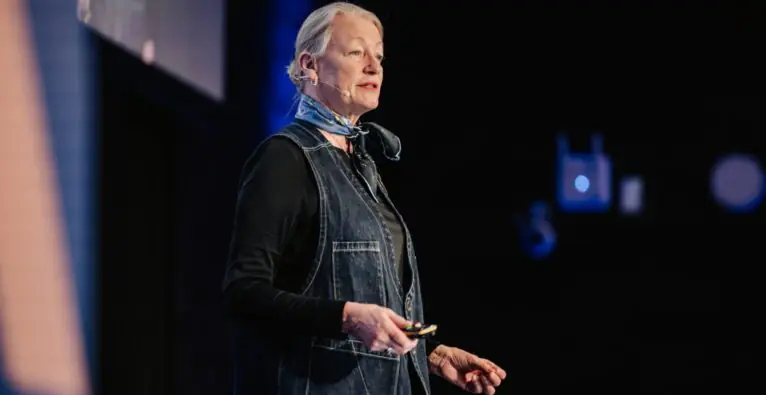
© Philipp Lipiarski - Elizabeth F. Churchill.

Auf der diesjährigen uxcon hielt Elizabeth F. Churchill eine Keynote über die Zukunft der Mensch-Maschine-Interaktion. Sie ist Professorin sowie Gründungsdirektorin des Fachbereichs für Human-Computer Interaction (HCI) an der MBZUAI in Abu Dhabi und zählt zu den prägenden Stimmen im Bereich Psychologie, Künstliche Intelligenz und Kognitionswissenschaften.

Bei Google, eBay und Yahoo tätig

Im Laufe ihrer Karriere baute sie Forschungsteams für Tech-Giganten wie Google, eBay, Yahoo und PARC auf. Für ihre Führungsrolle und ihren Einfluss auf die Tech-Branche wurde die Wissenschaftlerin vielfach ausgezeichnet, zuletzt unter anderem mit dem SIGCHI Lifetime Practice Award 2024.

In Wien erörterte sie in den Hallen der Hauptuniversität das Zusammenspiel von Mensch und Technologie und erklärte brutkasten gegenüber den fundamentalen Paradigmenwechsel, der aktuell die gesamte Software-Welt erfasst: den Aufstieg agentischer KI-Systeme. Dabei machte sie deutlich, dass dieser Wandel ein neues Verständnis von Kontrolle und Autonomie erfordert.

Vom Werkzeug zum Agenten: Der Unterschied

Die entscheidende Veränderung bei KI sei weniger, dass Systeme „bessere Antworten“ geben, sondern dass sie zunehmend selbstständig handeln könnten. Klassische Software – ob deterministisches Werkzeug oder reaktives KI-System – habe stets auf konkrete Eingaben des Menschen gewartet.

Ein KI-Agent dagegen bekommt ein Ziel und bestimmte Rahmenbedingungen und kann daraus einen adaptiven Ausführungsplan ableiten, Werkzeuge und APIs nutzen sowie mehrere Schritte selbstständig ausführen. Bei Multi-Agenten-Systemen arbeiteten mehrere solcher Agenten zusammen, oft als sich selbst korrigierende „Schwärme“, die asynchron im Hintergrund laufen.

Damit verändert sich auch die Rolle des Menschen „dramatisch“: Menschen bedienen das System nicht mehr zwangsläufig Schritt für Schritt, sondern würden zu einer Art „Flugdirektor“ (Supervisory UX), der Ergebnisse definiere und den Weg dorthin überwache. Diese Entwicklung bringe, Churchill zufolge, bisherige, starre Benutzeroberflächen an ihre Grenzen.

Ghost-State-Dilemma

Wenn Agenten im Hintergrund arbeiteten, drohe Nutzer:innen der Verlust des Kontexts – ein sogenanntes „Ghost-State-Dilemma“, bei dem nicht mehr nachvollziehbar sei, in welchem Zustand sich Prozesse aktuell befänden. Ein Kernrisiko dabei ist die unterschiedliche Entscheidungsarchitektur (Choice Architecture) von Mensch und Maschine: Während der Mensch bei Aufgaben – wie etwa einer Hotelbuchung – intuitive, visuelle und kontextuelle Nuancen (Größe des Zimmers, Lage) abwäge, operierten Agenten rein deterministisch anhand von API-Vorgaben.

Diese Diskrepanz kann dazu führen, dass Agenten durch kumulative Fehler vom eigentlichen Ziel abwichen oder APIs auf unerwartete Weise ausnutzten. Achtsam mit agentischen Systemen zu arbeiten, erfordere deshalb ein völlig neues Design-Paradigma: Autonomie müsse bewusst begrenzt und Kontrolle sichtbar gehalten werden, meint Churchill.

Kill Switches

Aus diesem Rollenwechsel leitet die Expertin konkrete Gestaltungsmechanismen ab: Vor kritischen Aktionen sollte der Mensch geplante Schritte in sogenannten „Trockenläufen“ (Plan Dry Runs) prüfen und freigeben können. Zudem brauche es klare und vor allem transparente Zusammenfassungen, sobald sich ein Prozess plötzlich ändert, sowie „Circuit Breaker“ (Kill Switches), um laufende Prozesse sofort zu unterbrechen, falls sie aus dem Ruder laufen.

Die zentrale Frage lautet somit für Churchill nicht mehr nur: „Was kann die KI?“, sondern: „Wie gestalten wir die Sichtbarkeit ihrer autonomen Entscheidungen – und wo muss der Mensch zwingend die Kontrolle behalten?“

„Je höher die Tragweite des Kontexts, desto weniger Autonomie sollte das KI-System bei kritischen Entscheidungen haben“, sagt sie. Wo genau diese Grenze verläuft, müssten KI-Designer für jeden Anwendungsfall neu bestimmen.

Die Falle der heimlichen Entmächtigung

Aus Churchills Sicht sei ein entscheidender Punkt, dass Unternehmen die Falle der „heimlichen Entmächtigung“ vermeiden müssten, also der stillen Einschränkung menschlicher Handlungsfähigkeit unter dem „Deckmantel der Bequemlichkeit“. Systeme sollten keine „undurchsichtigen Blackboxen“ sein, die allein Entscheidungen treffen.

Co-Governance als Notwendigkeit

Über einzelne Sicherheitsmechanismen hinaus brauche es laut Churchill zudem ein grundsätzliches Governance-Prinzip: Menschen gewöhnten sich zunehmend daran, mit Systemen über Gespräche einfache Aufgaben zu erledigen. Wenn es jedoch um wichtige oder emotionale Entscheidungen gehe, stießen sie schnell an ihre Grenzen. Deshalb müssten sie im Sinne von Co-Governance weiterhin informiert und in den Entscheidungsprozess eingebunden bleiben.

Churchills Erfahrung nach konzentriert sich die Industrie vor allem auf Leistungstests, gute Sprache und die Fähigkeiten von KI-Modellen. Dabei würde die langfristige Wirkung auf Menschen und Gesellschaft oft zu wenig berücksichtigt.

„Menschliche Erfahrung bleibt chaotisch, kulturell vielfältig und in gelebten Umgebungen verankert“, sagt sie. „Wir müssen den Fokus vom Bau von Generalisten-Modellen, die plausible Antworten produzieren, hin zur Entwicklung kulturell kontextualisierter und resilienter Werkzeuge verschieben, die echtes menschliches Aufblühen (human flourishing) und kritisches Denken unterstützen.“

Ratschläge für Startups

Laut Churchill sei es ein großer Fehler, generative KI als Ersatz für Fachwissen zu sehen. Sie sollte vielmehr dazu dienen, vorhandenes Fachwissen zu unterstützen und zu erweitern. Startups würden dabei oft ein zentrales Problem übersehen: Sie würden Foundation-Modelle in „Thin Wrappers“ verpacken (wie automatisierte Bewerber-Screenings oder Kundensupport-Bots), ohne robuste Schutzmechanismen einzubauen.

„So sahen sich beispielsweise Unternehmen wie die ‚National Eating Disorders Association‚ (NEDA) unmittelbar mit Gegenreaktionen konfrontiert, nachdem sie geschulte menschliche Mitarbeiter der Helpline durch einen KI-Chatbot ersetzt hatten, der innerhalb weniger Tage begann, schädliche Ratschläge zum Thema Diäten zu geben“, nennt sie ein warnendes Beispiel. „Unternehmen können erfolgreich sein, wenn sie KI direkt in spezifische, professionelle Arbeitsabläufe einbetten, beispielsweise indem sie das Modell als fachkundiges kollaboratives Gerüst behandeln, anstatt zu versuchen, die Fachkraft vollständig zu automatisieren bzw. überflüssig zu machen.“

„Ich vermeide gerne utopische und dystopische Visionen“

Neben der Gefahr, dass Menschen aus der Kontrolle gedrängt werden, sieht Churchill ein zweites Problem: die Eskalation des Wettbewerbs der Tech-Giganten rund um KI, die sie als berechtigte Krise innerhalb der Spitzenforschung bezeichnet.

„Leider übertreffen wettbewerbsorientierte Marktanreize die Governance-Mechanismen immer wieder“, sagt sie. „Es ist enttäuschend, dass dies der Fall ist. Aber das Problem als ein spekulatives Science-Fiction-Szenario des Aussterbens zu rahmen, kann von systemischen Schäden ablenken, die in Echtzeit stattfinden. Persönlich vermeide ich gerne utopische und dystopische Visionen. Daher bin ich weniger besorgt über eine sich selbst verbessernde Superintelligenz, die außer Kontrolle gerät, als vielmehr über den schleichenden Zusammenbruch institutioneller Verantwortlichkeit und die Übertragung lebensverändernder Entscheidungen an fragile, nicht nachvollziehbare statistische Systeme.“

Florieren kleiner Volkswirtschaften

Für Europa sieht Churchill in diesem „Rennen“ mit den USA und Asien „nicht alles verloren“, vielmehr bestehe der Fehler darin, die hochzentralisierten, rechenintensiven Foundation-Modelle aus Silicon Valley oder Shenzhen zu kopieren.

„Ich glaube, dass die Zukunft der KI auf Vertrauen, Präzisionstechnik, eingebetteter industrieller Automatisierung, souveräner Dateninfrastruktur und strikter regulatorischer Compliance (EU AI Act) beruht“, betont sie. „Kleine Volkswirtschaften mit hohem Vertrauen wie Österreich werden florieren, indem sie spezialisierte Nischen fördern. Wie etwa verifizierbare industrielle KI, menschenzentrierte Fertigungsautomatisierung, hochzuverlässige biomedizinische Werkzeuge und vertrauenswürdige Systeme des öffentlichen Sektors.“

Die Welt in fünf Jahren

Churchill wagt einen – wenn auch schwierigen – Blick in die Zukunft: „In fünf Jahren wird die Neuartigkeit von Konversationen hoffentlich nicht mehr so sehr im Mittelpunkt der Aufmerksamkeit stehen“, meint sie. „Hoffentlich werden wir erkennen, dass der generative Hype eine Infrastrukturphase für eine Ära hybrider kollektiver Intelligenz war. Die dominante Herausforderung wird nicht die technische Skalierung sein, sondern soziotechnische kognitive Architekturen. Und die Frage, wie wir das Bauen, Managen, Ausbilden, Kurskorrigieren und Steuern navigieren, wenn hybride menschlich-synthetische Agentenlogik in die grundlegende Struktur der täglichen Arbeit und des gesellschaftlichen Lebens eingewoben ist?“

Toll dass du so interessiert bist!
Hinterlasse uns bitte ein Feedback über den Button am linken Bildschirmrand.
Und klicke hier um die ganze Welt von der brutkasten zu entdecken.

brutkasten Newsletter

Aktuelle Nachrichten zu Startups, den neuesten Innovationen und politischen Entscheidungen zur Digitalisierung direkt in dein Postfach. Wähle aus unserer breiten Palette an Newslettern den passenden für dich.

Montag, Mittwoch und Freitag

AI Summaries

TECC 2020: These 3 ideas emerged from the entrepreneurship programme

  • Manuel Karner, Fabienne Burger, Sara Maria Oberleitner, Andreas Kollmann:
„We are DigiBills, a startup which aims to revolutionize receipts and digitalize them. We wanna create a more sustainable everyday life and improve the availability and categorization of receipts. Our app will provide a throughout solution for customers and businesses alike. Our team appreciates especially the possibility and guidance throughout the testing phase and selection of possible MVPs.“
  • Sandra Fröhwein, Anton Heidinger, Carolin Kobierski, Stefanie Lukas, Christina Niederl:
„We are BAUERPUMPkin and our mission is to offer local produced protein bars to health-conscious people. We want to create a fitness snack that does not only support local farmers but also offers a tasty alternative to artificial shakes. TECC helped us to realize that any idea can lead to great success. You just need to believe in your dreams and be agile – because the first idea does not have to be the last one! Constant changing and adapting is key and what we also learned: it is ok to fail – because you will come back stronger.“
  • Ivana Civsa, Collasius Yannick, Rothschädl Markus, Schadinger Julia, Waltenstorfer Tobias:
„Our project is called afloAT and it’s a platform that connects companies with highly skilled individuals who do not speak the local language. What’s in it for them? For the companies we are filtering out the best candidates for the job posted, and for candidates we are providing consultancy services in terms of reviewing the application documents, CVs etc.; What TECC told us (amongst so many things!) is that even when nobody believes in your idea at first, you can work on it and prove everyone wrong because you adapt it your potential customer’s needs and show that any idea can be feasible.“

AI Kontextualisierung

Welche gesellschaftspolitischen Auswirkungen hat der Inhalt dieses Artikels?

Leider hat die AI für diese Frage in diesem Artikel keine Antwort …

TECC 2020: These 3 ideas emerged from the entrepreneurship programme

  • Manuel Karner, Fabienne Burger, Sara Maria Oberleitner, Andreas Kollmann:
„We are DigiBills, a startup which aims to revolutionize receipts and digitalize them. We wanna create a more sustainable everyday life and improve the availability and categorization of receipts. Our app will provide a throughout solution for customers and businesses alike. Our team appreciates especially the possibility and guidance throughout the testing phase and selection of possible MVPs.“
  • Sandra Fröhwein, Anton Heidinger, Carolin Kobierski, Stefanie Lukas, Christina Niederl:
„We are BAUERPUMPkin and our mission is to offer local produced protein bars to health-conscious people. We want to create a fitness snack that does not only support local farmers but also offers a tasty alternative to artificial shakes. TECC helped us to realize that any idea can lead to great success. You just need to believe in your dreams and be agile – because the first idea does not have to be the last one! Constant changing and adapting is key and what we also learned: it is ok to fail – because you will come back stronger.“
  • Ivana Civsa, Collasius Yannick, Rothschädl Markus, Schadinger Julia, Waltenstorfer Tobias:
„Our project is called afloAT and it’s a platform that connects companies with highly skilled individuals who do not speak the local language. What’s in it for them? For the companies we are filtering out the best candidates for the job posted, and for candidates we are providing consultancy services in terms of reviewing the application documents, CVs etc.; What TECC told us (amongst so many things!) is that even when nobody believes in your idea at first, you can work on it and prove everyone wrong because you adapt it your potential customer’s needs and show that any idea can be feasible.“

AI Kontextualisierung

Welche wirtschaftlichen Auswirkungen hat der Inhalt dieses Artikels?

Leider hat die AI für diese Frage in diesem Artikel keine Antwort …

TECC 2020: These 3 ideas emerged from the entrepreneurship programme

  • Manuel Karner, Fabienne Burger, Sara Maria Oberleitner, Andreas Kollmann:
„We are DigiBills, a startup which aims to revolutionize receipts and digitalize them. We wanna create a more sustainable everyday life and improve the availability and categorization of receipts. Our app will provide a throughout solution for customers and businesses alike. Our team appreciates especially the possibility and guidance throughout the testing phase and selection of possible MVPs.“
  • Sandra Fröhwein, Anton Heidinger, Carolin Kobierski, Stefanie Lukas, Christina Niederl:
„We are BAUERPUMPkin and our mission is to offer local produced protein bars to health-conscious people. We want to create a fitness snack that does not only support local farmers but also offers a tasty alternative to artificial shakes. TECC helped us to realize that any idea can lead to great success. You just need to believe in your dreams and be agile – because the first idea does not have to be the last one! Constant changing and adapting is key and what we also learned: it is ok to fail – because you will come back stronger.“
  • Ivana Civsa, Collasius Yannick, Rothschädl Markus, Schadinger Julia, Waltenstorfer Tobias:
„Our project is called afloAT and it’s a platform that connects companies with highly skilled individuals who do not speak the local language. What’s in it for them? For the companies we are filtering out the best candidates for the job posted, and for candidates we are providing consultancy services in terms of reviewing the application documents, CVs etc.; What TECC told us (amongst so many things!) is that even when nobody believes in your idea at first, you can work on it and prove everyone wrong because you adapt it your potential customer’s needs and show that any idea can be feasible.“

AI Kontextualisierung

Welche Relevanz hat der Inhalt dieses Artikels für mich als Innovationsmanager:in?

Leider hat die AI für diese Frage in diesem Artikel keine Antwort …

TECC 2020: These 3 ideas emerged from the entrepreneurship programme

  • Manuel Karner, Fabienne Burger, Sara Maria Oberleitner, Andreas Kollmann:
„We are DigiBills, a startup which aims to revolutionize receipts and digitalize them. We wanna create a more sustainable everyday life and improve the availability and categorization of receipts. Our app will provide a throughout solution for customers and businesses alike. Our team appreciates especially the possibility and guidance throughout the testing phase and selection of possible MVPs.“
  • Sandra Fröhwein, Anton Heidinger, Carolin Kobierski, Stefanie Lukas, Christina Niederl:
„We are BAUERPUMPkin and our mission is to offer local produced protein bars to health-conscious people. We want to create a fitness snack that does not only support local farmers but also offers a tasty alternative to artificial shakes. TECC helped us to realize that any idea can lead to great success. You just need to believe in your dreams and be agile – because the first idea does not have to be the last one! Constant changing and adapting is key and what we also learned: it is ok to fail – because you will come back stronger.“
  • Ivana Civsa, Collasius Yannick, Rothschädl Markus, Schadinger Julia, Waltenstorfer Tobias:
„Our project is called afloAT and it’s a platform that connects companies with highly skilled individuals who do not speak the local language. What’s in it for them? For the companies we are filtering out the best candidates for the job posted, and for candidates we are providing consultancy services in terms of reviewing the application documents, CVs etc.; What TECC told us (amongst so many things!) is that even when nobody believes in your idea at first, you can work on it and prove everyone wrong because you adapt it your potential customer’s needs and show that any idea can be feasible.“

AI Kontextualisierung

Welche Relevanz hat der Inhalt dieses Artikels für mich als Investor:in?

Leider hat die AI für diese Frage in diesem Artikel keine Antwort …

TECC 2020: These 3 ideas emerged from the entrepreneurship programme

  • Manuel Karner, Fabienne Burger, Sara Maria Oberleitner, Andreas Kollmann:
„We are DigiBills, a startup which aims to revolutionize receipts and digitalize them. We wanna create a more sustainable everyday life and improve the availability and categorization of receipts. Our app will provide a throughout solution for customers and businesses alike. Our team appreciates especially the possibility and guidance throughout the testing phase and selection of possible MVPs.“
  • Sandra Fröhwein, Anton Heidinger, Carolin Kobierski, Stefanie Lukas, Christina Niederl:
„We are BAUERPUMPkin and our mission is to offer local produced protein bars to health-conscious people. We want to create a fitness snack that does not only support local farmers but also offers a tasty alternative to artificial shakes. TECC helped us to realize that any idea can lead to great success. You just need to believe in your dreams and be agile – because the first idea does not have to be the last one! Constant changing and adapting is key and what we also learned: it is ok to fail – because you will come back stronger.“
  • Ivana Civsa, Collasius Yannick, Rothschädl Markus, Schadinger Julia, Waltenstorfer Tobias:
„Our project is called afloAT and it’s a platform that connects companies with highly skilled individuals who do not speak the local language. What’s in it for them? For the companies we are filtering out the best candidates for the job posted, and for candidates we are providing consultancy services in terms of reviewing the application documents, CVs etc.; What TECC told us (amongst so many things!) is that even when nobody believes in your idea at first, you can work on it and prove everyone wrong because you adapt it your potential customer’s needs and show that any idea can be feasible.“

AI Kontextualisierung

Welche Relevanz hat der Inhalt dieses Artikels für mich als Politiker:in?

Leider hat die AI für diese Frage in diesem Artikel keine Antwort …

TECC 2020: These 3 ideas emerged from the entrepreneurship programme

  • Manuel Karner, Fabienne Burger, Sara Maria Oberleitner, Andreas Kollmann:
„We are DigiBills, a startup which aims to revolutionize receipts and digitalize them. We wanna create a more sustainable everyday life and improve the availability and categorization of receipts. Our app will provide a throughout solution for customers and businesses alike. Our team appreciates especially the possibility and guidance throughout the testing phase and selection of possible MVPs.“
  • Sandra Fröhwein, Anton Heidinger, Carolin Kobierski, Stefanie Lukas, Christina Niederl:
„We are BAUERPUMPkin and our mission is to offer local produced protein bars to health-conscious people. We want to create a fitness snack that does not only support local farmers but also offers a tasty alternative to artificial shakes. TECC helped us to realize that any idea can lead to great success. You just need to believe in your dreams and be agile – because the first idea does not have to be the last one! Constant changing and adapting is key and what we also learned: it is ok to fail – because you will come back stronger.“
  • Ivana Civsa, Collasius Yannick, Rothschädl Markus, Schadinger Julia, Waltenstorfer Tobias:
„Our project is called afloAT and it’s a platform that connects companies with highly skilled individuals who do not speak the local language. What’s in it for them? For the companies we are filtering out the best candidates for the job posted, and for candidates we are providing consultancy services in terms of reviewing the application documents, CVs etc.; What TECC told us (amongst so many things!) is that even when nobody believes in your idea at first, you can work on it and prove everyone wrong because you adapt it your potential customer’s needs and show that any idea can be feasible.“

AI Kontextualisierung

Was könnte das Bigger Picture von den Inhalten dieses Artikels sein?

Leider hat die AI für diese Frage in diesem Artikel keine Antwort …

TECC 2020: These 3 ideas emerged from the entrepreneurship programme

  • Manuel Karner, Fabienne Burger, Sara Maria Oberleitner, Andreas Kollmann:
„We are DigiBills, a startup which aims to revolutionize receipts and digitalize them. We wanna create a more sustainable everyday life and improve the availability and categorization of receipts. Our app will provide a throughout solution for customers and businesses alike. Our team appreciates especially the possibility and guidance throughout the testing phase and selection of possible MVPs.“
  • Sandra Fröhwein, Anton Heidinger, Carolin Kobierski, Stefanie Lukas, Christina Niederl:
„We are BAUERPUMPkin and our mission is to offer local produced protein bars to health-conscious people. We want to create a fitness snack that does not only support local farmers but also offers a tasty alternative to artificial shakes. TECC helped us to realize that any idea can lead to great success. You just need to believe in your dreams and be agile – because the first idea does not have to be the last one! Constant changing and adapting is key and what we also learned: it is ok to fail – because you will come back stronger.“
  • Ivana Civsa, Collasius Yannick, Rothschädl Markus, Schadinger Julia, Waltenstorfer Tobias:
„Our project is called afloAT and it’s a platform that connects companies with highly skilled individuals who do not speak the local language. What’s in it for them? For the companies we are filtering out the best candidates for the job posted, and for candidates we are providing consultancy services in terms of reviewing the application documents, CVs etc.; What TECC told us (amongst so many things!) is that even when nobody believes in your idea at first, you can work on it and prove everyone wrong because you adapt it your potential customer’s needs and show that any idea can be feasible.“

AI Kontextualisierung

Wer sind die relevantesten Personen in diesem Artikel?

Leider hat die AI für diese Frage in diesem Artikel keine Antwort …

TECC 2020: These 3 ideas emerged from the entrepreneurship programme

  • Manuel Karner, Fabienne Burger, Sara Maria Oberleitner, Andreas Kollmann:
„We are DigiBills, a startup which aims to revolutionize receipts and digitalize them. We wanna create a more sustainable everyday life and improve the availability and categorization of receipts. Our app will provide a throughout solution for customers and businesses alike. Our team appreciates especially the possibility and guidance throughout the testing phase and selection of possible MVPs.“
  • Sandra Fröhwein, Anton Heidinger, Carolin Kobierski, Stefanie Lukas, Christina Niederl:
„We are BAUERPUMPkin and our mission is to offer local produced protein bars to health-conscious people. We want to create a fitness snack that does not only support local farmers but also offers a tasty alternative to artificial shakes. TECC helped us to realize that any idea can lead to great success. You just need to believe in your dreams and be agile – because the first idea does not have to be the last one! Constant changing and adapting is key and what we also learned: it is ok to fail – because you will come back stronger.“
  • Ivana Civsa, Collasius Yannick, Rothschädl Markus, Schadinger Julia, Waltenstorfer Tobias:
„Our project is called afloAT and it’s a platform that connects companies with highly skilled individuals who do not speak the local language. What’s in it for them? For the companies we are filtering out the best candidates for the job posted, and for candidates we are providing consultancy services in terms of reviewing the application documents, CVs etc.; What TECC told us (amongst so many things!) is that even when nobody believes in your idea at first, you can work on it and prove everyone wrong because you adapt it your potential customer’s needs and show that any idea can be feasible.“

AI Kontextualisierung

Wer sind die relevantesten Organisationen in diesem Artikel?

Leider hat die AI für diese Frage in diesem Artikel keine Antwort …

TECC 2020: These 3 ideas emerged from the entrepreneurship programme

  • Manuel Karner, Fabienne Burger, Sara Maria Oberleitner, Andreas Kollmann:
„We are DigiBills, a startup which aims to revolutionize receipts and digitalize them. We wanna create a more sustainable everyday life and improve the availability and categorization of receipts. Our app will provide a throughout solution for customers and businesses alike. Our team appreciates especially the possibility and guidance throughout the testing phase and selection of possible MVPs.“
  • Sandra Fröhwein, Anton Heidinger, Carolin Kobierski, Stefanie Lukas, Christina Niederl:
„We are BAUERPUMPkin and our mission is to offer local produced protein bars to health-conscious people. We want to create a fitness snack that does not only support local farmers but also offers a tasty alternative to artificial shakes. TECC helped us to realize that any idea can lead to great success. You just need to believe in your dreams and be agile – because the first idea does not have to be the last one! Constant changing and adapting is key and what we also learned: it is ok to fail – because you will come back stronger.“
  • Ivana Civsa, Collasius Yannick, Rothschädl Markus, Schadinger Julia, Waltenstorfer Tobias:
„Our project is called afloAT and it’s a platform that connects companies with highly skilled individuals who do not speak the local language. What’s in it for them? For the companies we are filtering out the best candidates for the job posted, and for candidates we are providing consultancy services in terms of reviewing the application documents, CVs etc.; What TECC told us (amongst so many things!) is that even when nobody believes in your idea at first, you can work on it and prove everyone wrong because you adapt it your potential customer’s needs and show that any idea can be feasible.“