24.06.2020

TECC 2020: These 3 ideas emerged from the entrepreneurship programme

At the Training On Entrepreneurship & Company Creation (TECC), three new business ideas were developed, which have now been presented at a final pitch event.
/artikel/tecc-2020-these-3-ideas-emerged-from-the-entrepreneurship-programme
(c) TECC/AVL/Katrin Wrulich

The Corona crisis taught that the environment around us can change very quickly and we need to be more flexible and to constantly adapt our mindset to different situations, trying to catch new opportunities.

In such a complex environment, educational institutions and organizations are today closer than ever. They are working together to train young students, providing them with the skills and competences necessary to face the challenges of the future.

TECC – Training On Entrepreneurship & Company Creation – is an example of how universities and organizations can cooperate through innovative training formats which ehance the transfer of knowledge and the development of both hard and soft skills.

Students develop their own startup ideas with TECC

At the beginning of March 2020, the Institute for International Management at FH JOANNEUM together with its partners AVL List, Raiffeisenlandesbank Steiermark and 360Lab launched TECC (Training On Entrepreneurship & Company Creation), a new training program focused on the development of entrepreneurial skills and practical knowledge within the university.  

„With the TECC training programme, we want to give students, together with our partners, both the theoretical basics as well as the mindset and our entrepreneurial spirit, so that they develop the tools they need to react flexibly to future challenges and find innovative solutions as founders or entrepreneurs in the company,“ says AVL at Raiffeisen Landesbank Steiermark again emphasises the concern to promote creativity and innovation in the Styrian economy: „Qualities that are in great demand – in times of crisis all the more so. Young people who invest their energy in innovation are shaping the world of tomorrow and contribute with their ideas and implementation to the future of Styria as a business location“.

During these months, the teams have worked hard on the development of their projects, facing always new challenges and issues related to their potential markets. Partners have supported each team through coaching and mentoring sessions where students had the chance to get some practical insights about the startup and corporate’s world.

„We are very proud to be able to implement this entrepreneurship training at FH JOANNEUM together with our corporate partners“, says Doris Kiendl, FH JOANNEUM, about the programme: „The general conditions are of course difficult at the moment, but it has been shown that even in virtual space thoughts can sparkle and that entrepreneurial ideas can be worked on with fun and energy. This gives our students very important additional skills.

„Especially in challenging times, innovative ideas and passionate people are needed to make them become reality. We are very pleased to support students within the framework of TECC, together with our partners. With proven tools, our experience and expertise we want to prepare the next generation of entrepreneurs for this journey“, says also the team of the 360 Innovation Lab

Three business ideas as a result of TECC

The project involves students from different courses of study who have the motivation to develop their own business ideas and to acquire the necessary skills. During the program, students have attended online lectures and meetings with professors and experts in the fields of business development, business modeling and business planning. As result, they came up with three business ideas in different sectors and with the creation of multidisciplinary teams.

These are the three Teams

  • Manuel Karner, Fabienne Burger, Sara Maria Oberleitner, Andreas Kollmann:

 „We are DigiBills, a startup which aims to revolutionize receipts and digitalize them. We wanna create a more sustainable everyday life and improve the availability and categorization of receipts. Our app will provide a throughout solution for customers and businesses alike. Our team appreciates especially the possibility and guidance throughout the testing phase and selection of possible MVPs.“

  • Sandra Fröhwein, Anton Heidinger, Carolin Kobierski, Stefanie Lukas, Christina Niederl:

„We are BAUERPUMPkin and our mission is to offer local produced protein bars to health-conscious people. We want to create a fitness snack that does not only support local farmers but also offers a tasty alternative to artificial shakes. TECC helped us to realize that any idea can lead to great success. You just need to believe in your dreams and be agile – because the first idea does not have to be the last one! Constant changing and adapting is key and what we also learned: it is ok to fail – because you will come back stronger.“

  • Ivana Civsa, Collasius Yannick, Rothschädl Markus, Schadinger Julia, Waltenstorfer Tobias:

„Our project is called afloAT and it’s a platform that connects companies with highly skilled individuals who do not speak the local language. What’s in it for them? For the companies we are filtering out the best candidates for the job posted, and for candidates we are providing consultancy services in terms of reviewing the application documents, CVs etc.; What TECC told us (amongst so many things!) is that even when nobody believes in your idea at first, you can work on it and prove everyone wrong because you adapt it your potential customer’s needs and show that any idea can be feasible.“

Presentation of the start-up ideas at a pitch event

The first semester was closed with the Final Pitch Event which took place on 23rd June 2020 at FH JOANNEUM. During the final event, each team had around 5 minutes to pitch its business idea and to convince guests that it could become a business opportunity.

The students showed to the audience how they have structured their business models and how they have built and validated their first MVP (Minimum Viable Product). The pitches were evaluated by a jury of four experts. At the end, the students received a feedback on the basis of the criteria of value proposition, market potential, innovation, business model, design of the presentation and pitch.

The event was also an opportunity to exchange valuable experience concerning the collaboration between corporates and institutions as way to enhance innovation and to spread the entrepreneurial culture.

Slideshow: The highlights of the TECC closing event

Slider image
Slider image
Slider image
Slider image
Slider image
Slider image
Slider image
Slider image
Slider image
Slider image
Slider image
Slider image
Slider image
Slider image
Slider image
Slider image
Slider image
Slider image
Slider image
Slider image
Slider image
Slider image
Slider image
Slider image
Slider image
Slider image
Slider image
Slider image
Slider image
Slider image
Slider image
Slider image
Slider image
Slider image
Slider image
Slider image
Slider image
Slider image
Slider image
Slider image
Slider image
Slider image
Slider image
Slider image
Slider image
Slider image
Slider image
Slider image
Slider image
Slider image
Slider image

Redaktionstipps

Deine ungelesenen Artikel:
18.09.2026

Unternehmensinsolvenzen auf Vorjahresniveau – aber mit „besorgniseregender“ Entwicklung

Während die aktuelle Insolvenzstatistik des KSV1870 für die ersten drei Quartale nach Jahren des Anstiegs eine Stagnation bei der Anzahl der Fälle ausweist, ortet der Verband dennoch eine "alarmierende" Entwicklung.
/artikel/unternehmensinsolvenzen-auf-vorjahresniveau-aber-mit-besorgniseregender-entwicklung
18.09.2026

Unternehmensinsolvenzen auf Vorjahresniveau – aber mit „besorgniseregender“ Entwicklung

Während die aktuelle Insolvenzstatistik des KSV1870 für die ersten drei Quartale nach Jahren des Anstiegs eine Stagnation bei der Anzahl der Fälle ausweist, ortet der Verband dennoch eine "alarmierende" Entwicklung.
/artikel/unternehmensinsolvenzen-auf-vorjahresniveau-aber-mit-besorgniseregender-entwicklung
easyvegan Pixelrunner FireStart P4 Therapeutics - Insolvenzen
(c) Adobe Stock

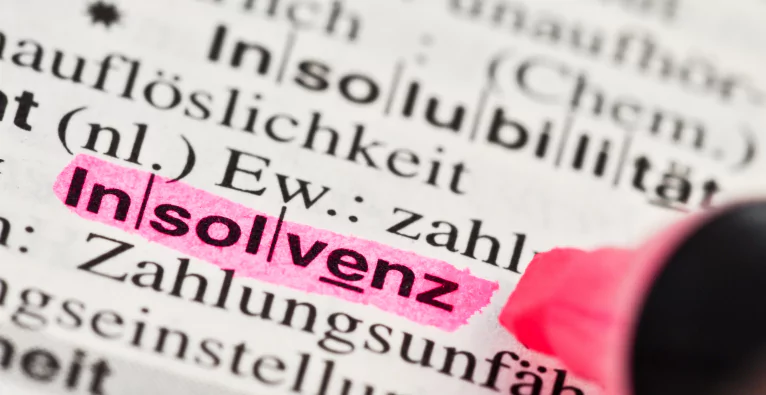
5.139 Unternehmen mussten laut aktueller Hochrechnung des Kreditschutzverbands KSV1870 in den ersten drei Quartalen 2026 in Österreich Insolvenz anmelden. Das entspricht einem Plus von 0,4 Prozent zum gleichen Zeitraum im Vorjahr. Nach Jahren des deutlichen Anstiegs bedeutet das eine Stagnation auf hohem Niveau. Diese erwartet der Verband auch für das gesamte Jahr. Die Passiva sind wegen einer etwas geringeren Zahl an Großinsolvenzen in den ersten drei Quartalen im Vergleich zum Vorjahreszeitraum um rund sieben Prozent auf etwa sechs Milliarden Euro gesunken. Bei den Branchen – Handel vor Baugewerbe und Gastronomie – gab es „wenig Bewegung“.

„Kräftiger Aufschwung gegenwärtig nicht erkennbar“

Insgesamt gibt es seitens des KSV1870 weiter keine Entwarnung. Die schwache Konjunktur, die verhaltene Nachfrage und die hohen Kosten würden Betriebe weiterhin belasten, „ein kräftiger Aufschwung ist gegenwärtig nicht erkennbar“, heißt es vom Verband. „Wo Margen und finanzielle Reserven knapp sind, kann der anhaltende wirtschaftliche Druck schnell existenzbedrohend werden. Entsprechend hoch bleibt die Zahl der Betriebe, die ihre finanziellen Verpflichtungen nicht mehr erfüllen können und den Weg in die Insolvenz antreten müssen“, kommentiert Karl-Heinz Götze, Leiter KSV1870 Insolvenz.

Weiterer Zuwachs bei nicht eröffneten Fällen „alarmierend“

Mehr noch beschäftigt den Verband eine Entwicklung, die sich in den vergangenen Jahren kontinuierlich verschärft hat, und vom KSV als „besorgniserregend“ eingestuft wird: ein massiver Zuwachs bei den nicht eröffneten Fällen. So ist die Zahl der eröffneten Unternehmensinsolvenzen im dritten Quartal gegenüber dem Vorjahreszeitraum sogar um 7,2 Prozent gesunken, die Zahl der mangels Masse nicht eröffneten Verfahren dagegen um nicht weniger als 12,6 Prozent gestiegen. Konkret war es laut KSV seit Jahresbeginn bei 2.204 Fällen, also ca. 43 Prozent aller Verfahren mangels Kostendeckung nicht möglich, diese einer geordneten Abwicklung zuzuführen.

„Dass es zwischen den eröffneten und abgewiesenen Fällen mittlerweile nur noch einen zahlenmäßig geringen Unterschied gibt, ist alarmierend. Das ist ein Umstand, den die Gläubiger massiv zu spüren bekommen, da sich in diesen Fällen ihre Verluste weiter erhöhen. Das kann auch für wirtschaftlich gesunde Unternehmen mittel- und langfristig zum Problem werden“, erläutert Götze.

KSV1870 sieht Betrugsbekämpfungsgesetz „zumindest punktuell“ als Auslöser

Die Gründe für die Dynamik laut KSV: Nicht nur werde immer häufiger mit der Insolvenzanmeldung zu lange gewartet, der Verband sieht die Entwicklung auch „zumindest punktuell“ als eine Folge des im Jänner 2026 beschlossenen Betrugsbekämpfungsgesetzes. „Denn infolgedessen ist es vielfach so, dass vor der Änderung der Gesetzeslage durchsetzbare Anfechtungsansprüche nun nicht mehr geltend gemacht werden können, die Zahl der Gläubigeranträge sinkt und auch die Quoten dementsprechend für die Gläubiger zurückgehen“, heißt es vom KSV. In diesem Zusammenhang seien – „wie bereits beim Gesetzesbeschluss seitens des KSV1870 vorausgesagt“ – Folgeinsolvenzen zu befürchten.

Der KSV1870 erwartet auch für das vierte Quartal keine Entschärfung der Insolvenzdynamik und auch keine Verbesserung bei den nicht eröffneten Fällen. „Angesichts dieser Faktenlage ist es höchst an der Zeit, eine gesetzliche Basis zu schaffen, wie mit den mangels Masse abgewiesenen Fällen zukünftig umzugehen ist. Andernfalls wird sich der gesamtwirtschaftliche Schaden weiter erhöhen“, meint Götze.

Deutliches Statement zur Insolvenz-Entgelt-Fonds-Diskussion

Der Verband äußert sich zudem zur Diskussion rund um eine Finanzierungslücke beim Insolvenz-Entgelt-Fonds (IEF). „Aus Sicht des KSV1870 ist dabei ein Punkt wesentlich: Aufgrund der Tatsache, dass sich Österreichs Unternehmen seit einigen Jahren mit massiven wirtschaftlichen Herausforderungen konfrontiert sehen, ist eine automatische Anhebung der Dienstgeberbeiträge keine Option“, heißt es dazu. Götze kommentiert: „Dadurch würden die Betriebe finanziell zusätzlich belastet werden, was angesichts der derzeitigen Situation nicht erstrebenswert sein kann.“ Wichtig in der Diskussion sei jedenfalls, „nicht nur den Bedarf für das Jahr 2027 zu bewerten, sondern langfristig zu denken und sowohl die Interessen der Arbeitgeber wie auch jene der Arbeitnehmer zu berücksichtigen“, so der Verband abschließend.

Toll dass du so interessiert bist!
Hinterlasse uns bitte ein Feedback über den Button am linken Bildschirmrand.
Und klicke hier um die ganze Welt von der brutkasten zu entdecken.

brutkasten Newsletter

Aktuelle Nachrichten zu Startups, den neuesten Innovationen und politischen Entscheidungen zur Digitalisierung direkt in dein Postfach. Wähle aus unserer breiten Palette an Newslettern den passenden für dich.

Montag, Mittwoch und Freitag

AI Summaries

TECC 2020: These 3 ideas emerged from the entrepreneurship programme

  • Manuel Karner, Fabienne Burger, Sara Maria Oberleitner, Andreas Kollmann:
„We are DigiBills, a startup which aims to revolutionize receipts and digitalize them. We wanna create a more sustainable everyday life and improve the availability and categorization of receipts. Our app will provide a throughout solution for customers and businesses alike. Our team appreciates especially the possibility and guidance throughout the testing phase and selection of possible MVPs.“
  • Sandra Fröhwein, Anton Heidinger, Carolin Kobierski, Stefanie Lukas, Christina Niederl:
„We are BAUERPUMPkin and our mission is to offer local produced protein bars to health-conscious people. We want to create a fitness snack that does not only support local farmers but also offers a tasty alternative to artificial shakes. TECC helped us to realize that any idea can lead to great success. You just need to believe in your dreams and be agile – because the first idea does not have to be the last one! Constant changing and adapting is key and what we also learned: it is ok to fail – because you will come back stronger.“
  • Ivana Civsa, Collasius Yannick, Rothschädl Markus, Schadinger Julia, Waltenstorfer Tobias:
„Our project is called afloAT and it’s a platform that connects companies with highly skilled individuals who do not speak the local language. What’s in it for them? For the companies we are filtering out the best candidates for the job posted, and for candidates we are providing consultancy services in terms of reviewing the application documents, CVs etc.; What TECC told us (amongst so many things!) is that even when nobody believes in your idea at first, you can work on it and prove everyone wrong because you adapt it your potential customer’s needs and show that any idea can be feasible.“

AI Kontextualisierung

Welche gesellschaftspolitischen Auswirkungen hat der Inhalt dieses Artikels?

Leider hat die AI für diese Frage in diesem Artikel keine Antwort …

TECC 2020: These 3 ideas emerged from the entrepreneurship programme

  • Manuel Karner, Fabienne Burger, Sara Maria Oberleitner, Andreas Kollmann:
„We are DigiBills, a startup which aims to revolutionize receipts and digitalize them. We wanna create a more sustainable everyday life and improve the availability and categorization of receipts. Our app will provide a throughout solution for customers and businesses alike. Our team appreciates especially the possibility and guidance throughout the testing phase and selection of possible MVPs.“
  • Sandra Fröhwein, Anton Heidinger, Carolin Kobierski, Stefanie Lukas, Christina Niederl:
„We are BAUERPUMPkin and our mission is to offer local produced protein bars to health-conscious people. We want to create a fitness snack that does not only support local farmers but also offers a tasty alternative to artificial shakes. TECC helped us to realize that any idea can lead to great success. You just need to believe in your dreams and be agile – because the first idea does not have to be the last one! Constant changing and adapting is key and what we also learned: it is ok to fail – because you will come back stronger.“
  • Ivana Civsa, Collasius Yannick, Rothschädl Markus, Schadinger Julia, Waltenstorfer Tobias:
„Our project is called afloAT and it’s a platform that connects companies with highly skilled individuals who do not speak the local language. What’s in it for them? For the companies we are filtering out the best candidates for the job posted, and for candidates we are providing consultancy services in terms of reviewing the application documents, CVs etc.; What TECC told us (amongst so many things!) is that even when nobody believes in your idea at first, you can work on it and prove everyone wrong because you adapt it your potential customer’s needs and show that any idea can be feasible.“

AI Kontextualisierung

Welche wirtschaftlichen Auswirkungen hat der Inhalt dieses Artikels?

Leider hat die AI für diese Frage in diesem Artikel keine Antwort …

TECC 2020: These 3 ideas emerged from the entrepreneurship programme

  • Manuel Karner, Fabienne Burger, Sara Maria Oberleitner, Andreas Kollmann:
„We are DigiBills, a startup which aims to revolutionize receipts and digitalize them. We wanna create a more sustainable everyday life and improve the availability and categorization of receipts. Our app will provide a throughout solution for customers and businesses alike. Our team appreciates especially the possibility and guidance throughout the testing phase and selection of possible MVPs.“
  • Sandra Fröhwein, Anton Heidinger, Carolin Kobierski, Stefanie Lukas, Christina Niederl:
„We are BAUERPUMPkin and our mission is to offer local produced protein bars to health-conscious people. We want to create a fitness snack that does not only support local farmers but also offers a tasty alternative to artificial shakes. TECC helped us to realize that any idea can lead to great success. You just need to believe in your dreams and be agile – because the first idea does not have to be the last one! Constant changing and adapting is key and what we also learned: it is ok to fail – because you will come back stronger.“
  • Ivana Civsa, Collasius Yannick, Rothschädl Markus, Schadinger Julia, Waltenstorfer Tobias:
„Our project is called afloAT and it’s a platform that connects companies with highly skilled individuals who do not speak the local language. What’s in it for them? For the companies we are filtering out the best candidates for the job posted, and for candidates we are providing consultancy services in terms of reviewing the application documents, CVs etc.; What TECC told us (amongst so many things!) is that even when nobody believes in your idea at first, you can work on it and prove everyone wrong because you adapt it your potential customer’s needs and show that any idea can be feasible.“

AI Kontextualisierung

Welche Relevanz hat der Inhalt dieses Artikels für mich als Innovationsmanager:in?

Leider hat die AI für diese Frage in diesem Artikel keine Antwort …

TECC 2020: These 3 ideas emerged from the entrepreneurship programme

  • Manuel Karner, Fabienne Burger, Sara Maria Oberleitner, Andreas Kollmann:
„We are DigiBills, a startup which aims to revolutionize receipts and digitalize them. We wanna create a more sustainable everyday life and improve the availability and categorization of receipts. Our app will provide a throughout solution for customers and businesses alike. Our team appreciates especially the possibility and guidance throughout the testing phase and selection of possible MVPs.“
  • Sandra Fröhwein, Anton Heidinger, Carolin Kobierski, Stefanie Lukas, Christina Niederl:
„We are BAUERPUMPkin and our mission is to offer local produced protein bars to health-conscious people. We want to create a fitness snack that does not only support local farmers but also offers a tasty alternative to artificial shakes. TECC helped us to realize that any idea can lead to great success. You just need to believe in your dreams and be agile – because the first idea does not have to be the last one! Constant changing and adapting is key and what we also learned: it is ok to fail – because you will come back stronger.“
  • Ivana Civsa, Collasius Yannick, Rothschädl Markus, Schadinger Julia, Waltenstorfer Tobias:
„Our project is called afloAT and it’s a platform that connects companies with highly skilled individuals who do not speak the local language. What’s in it for them? For the companies we are filtering out the best candidates for the job posted, and for candidates we are providing consultancy services in terms of reviewing the application documents, CVs etc.; What TECC told us (amongst so many things!) is that even when nobody believes in your idea at first, you can work on it and prove everyone wrong because you adapt it your potential customer’s needs and show that any idea can be feasible.“

AI Kontextualisierung

Welche Relevanz hat der Inhalt dieses Artikels für mich als Investor:in?

Leider hat die AI für diese Frage in diesem Artikel keine Antwort …

TECC 2020: These 3 ideas emerged from the entrepreneurship programme

  • Manuel Karner, Fabienne Burger, Sara Maria Oberleitner, Andreas Kollmann:
„We are DigiBills, a startup which aims to revolutionize receipts and digitalize them. We wanna create a more sustainable everyday life and improve the availability and categorization of receipts. Our app will provide a throughout solution for customers and businesses alike. Our team appreciates especially the possibility and guidance throughout the testing phase and selection of possible MVPs.“
  • Sandra Fröhwein, Anton Heidinger, Carolin Kobierski, Stefanie Lukas, Christina Niederl:
„We are BAUERPUMPkin and our mission is to offer local produced protein bars to health-conscious people. We want to create a fitness snack that does not only support local farmers but also offers a tasty alternative to artificial shakes. TECC helped us to realize that any idea can lead to great success. You just need to believe in your dreams and be agile – because the first idea does not have to be the last one! Constant changing and adapting is key and what we also learned: it is ok to fail – because you will come back stronger.“
  • Ivana Civsa, Collasius Yannick, Rothschädl Markus, Schadinger Julia, Waltenstorfer Tobias:
„Our project is called afloAT and it’s a platform that connects companies with highly skilled individuals who do not speak the local language. What’s in it for them? For the companies we are filtering out the best candidates for the job posted, and for candidates we are providing consultancy services in terms of reviewing the application documents, CVs etc.; What TECC told us (amongst so many things!) is that even when nobody believes in your idea at first, you can work on it and prove everyone wrong because you adapt it your potential customer’s needs and show that any idea can be feasible.“

AI Kontextualisierung

Welche Relevanz hat der Inhalt dieses Artikels für mich als Politiker:in?

Leider hat die AI für diese Frage in diesem Artikel keine Antwort …

TECC 2020: These 3 ideas emerged from the entrepreneurship programme

  • Manuel Karner, Fabienne Burger, Sara Maria Oberleitner, Andreas Kollmann:
„We are DigiBills, a startup which aims to revolutionize receipts and digitalize them. We wanna create a more sustainable everyday life and improve the availability and categorization of receipts. Our app will provide a throughout solution for customers and businesses alike. Our team appreciates especially the possibility and guidance throughout the testing phase and selection of possible MVPs.“
  • Sandra Fröhwein, Anton Heidinger, Carolin Kobierski, Stefanie Lukas, Christina Niederl:
„We are BAUERPUMPkin and our mission is to offer local produced protein bars to health-conscious people. We want to create a fitness snack that does not only support local farmers but also offers a tasty alternative to artificial shakes. TECC helped us to realize that any idea can lead to great success. You just need to believe in your dreams and be agile – because the first idea does not have to be the last one! Constant changing and adapting is key and what we also learned: it is ok to fail – because you will come back stronger.“
  • Ivana Civsa, Collasius Yannick, Rothschädl Markus, Schadinger Julia, Waltenstorfer Tobias:
„Our project is called afloAT and it’s a platform that connects companies with highly skilled individuals who do not speak the local language. What’s in it for them? For the companies we are filtering out the best candidates for the job posted, and for candidates we are providing consultancy services in terms of reviewing the application documents, CVs etc.; What TECC told us (amongst so many things!) is that even when nobody believes in your idea at first, you can work on it and prove everyone wrong because you adapt it your potential customer’s needs and show that any idea can be feasible.“

AI Kontextualisierung

Was könnte das Bigger Picture von den Inhalten dieses Artikels sein?

Leider hat die AI für diese Frage in diesem Artikel keine Antwort …

TECC 2020: These 3 ideas emerged from the entrepreneurship programme

  • Manuel Karner, Fabienne Burger, Sara Maria Oberleitner, Andreas Kollmann:
„We are DigiBills, a startup which aims to revolutionize receipts and digitalize them. We wanna create a more sustainable everyday life and improve the availability and categorization of receipts. Our app will provide a throughout solution for customers and businesses alike. Our team appreciates especially the possibility and guidance throughout the testing phase and selection of possible MVPs.“
  • Sandra Fröhwein, Anton Heidinger, Carolin Kobierski, Stefanie Lukas, Christina Niederl:
„We are BAUERPUMPkin and our mission is to offer local produced protein bars to health-conscious people. We want to create a fitness snack that does not only support local farmers but also offers a tasty alternative to artificial shakes. TECC helped us to realize that any idea can lead to great success. You just need to believe in your dreams and be agile – because the first idea does not have to be the last one! Constant changing and adapting is key and what we also learned: it is ok to fail – because you will come back stronger.“
  • Ivana Civsa, Collasius Yannick, Rothschädl Markus, Schadinger Julia, Waltenstorfer Tobias:
„Our project is called afloAT and it’s a platform that connects companies with highly skilled individuals who do not speak the local language. What’s in it for them? For the companies we are filtering out the best candidates for the job posted, and for candidates we are providing consultancy services in terms of reviewing the application documents, CVs etc.; What TECC told us (amongst so many things!) is that even when nobody believes in your idea at first, you can work on it and prove everyone wrong because you adapt it your potential customer’s needs and show that any idea can be feasible.“

AI Kontextualisierung

Wer sind die relevantesten Personen in diesem Artikel?

Leider hat die AI für diese Frage in diesem Artikel keine Antwort …

TECC 2020: These 3 ideas emerged from the entrepreneurship programme

  • Manuel Karner, Fabienne Burger, Sara Maria Oberleitner, Andreas Kollmann:
„We are DigiBills, a startup which aims to revolutionize receipts and digitalize them. We wanna create a more sustainable everyday life and improve the availability and categorization of receipts. Our app will provide a throughout solution for customers and businesses alike. Our team appreciates especially the possibility and guidance throughout the testing phase and selection of possible MVPs.“
  • Sandra Fröhwein, Anton Heidinger, Carolin Kobierski, Stefanie Lukas, Christina Niederl:
„We are BAUERPUMPkin and our mission is to offer local produced protein bars to health-conscious people. We want to create a fitness snack that does not only support local farmers but also offers a tasty alternative to artificial shakes. TECC helped us to realize that any idea can lead to great success. You just need to believe in your dreams and be agile – because the first idea does not have to be the last one! Constant changing and adapting is key and what we also learned: it is ok to fail – because you will come back stronger.“
  • Ivana Civsa, Collasius Yannick, Rothschädl Markus, Schadinger Julia, Waltenstorfer Tobias:
„Our project is called afloAT and it’s a platform that connects companies with highly skilled individuals who do not speak the local language. What’s in it for them? For the companies we are filtering out the best candidates for the job posted, and for candidates we are providing consultancy services in terms of reviewing the application documents, CVs etc.; What TECC told us (amongst so many things!) is that even when nobody believes in your idea at first, you can work on it and prove everyone wrong because you adapt it your potential customer’s needs and show that any idea can be feasible.“

AI Kontextualisierung

Wer sind die relevantesten Organisationen in diesem Artikel?

Leider hat die AI für diese Frage in diesem Artikel keine Antwort …

TECC 2020: These 3 ideas emerged from the entrepreneurship programme

  • Manuel Karner, Fabienne Burger, Sara Maria Oberleitner, Andreas Kollmann:
„We are DigiBills, a startup which aims to revolutionize receipts and digitalize them. We wanna create a more sustainable everyday life and improve the availability and categorization of receipts. Our app will provide a throughout solution for customers and businesses alike. Our team appreciates especially the possibility and guidance throughout the testing phase and selection of possible MVPs.“
  • Sandra Fröhwein, Anton Heidinger, Carolin Kobierski, Stefanie Lukas, Christina Niederl:
„We are BAUERPUMPkin and our mission is to offer local produced protein bars to health-conscious people. We want to create a fitness snack that does not only support local farmers but also offers a tasty alternative to artificial shakes. TECC helped us to realize that any idea can lead to great success. You just need to believe in your dreams and be agile – because the first idea does not have to be the last one! Constant changing and adapting is key and what we also learned: it is ok to fail – because you will come back stronger.“
  • Ivana Civsa, Collasius Yannick, Rothschädl Markus, Schadinger Julia, Waltenstorfer Tobias:
„Our project is called afloAT and it’s a platform that connects companies with highly skilled individuals who do not speak the local language. What’s in it for them? For the companies we are filtering out the best candidates for the job posted, and for candidates we are providing consultancy services in terms of reviewing the application documents, CVs etc.; What TECC told us (amongst so many things!) is that even when nobody believes in your idea at first, you can work on it and prove everyone wrong because you adapt it your potential customer’s needs and show that any idea can be feasible.“