01.04.2025
SPONSORED

Call for international innovators: Turn your business idea into reality with aws First Incubator

The new program year for aws First Incubator has started! The first call is open until April 3rd and has a special focus on securing international founders, providing financial support, mentoring, and valuable networking opportunities to help new businesses thrive. Success stories like the startups "RacePace" or "nexus. Group AI" prove just how impactful the aws First Incubator program is for new businesses.
/artikel/call-for-international-innovators-turn-your-business-idea-into-reality-with-aws-first-incubator
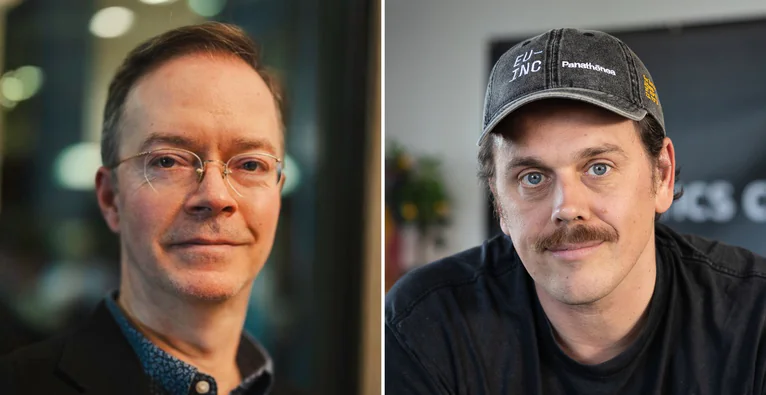
The founders of © nexus. Group AI (left): Orion Forowycz and Andrei Cursaru; founder-team of © RacePace (right): Guillermo Alamán Requena, Lee Barad and Ido Dassa.

Are you in the early stages of founding your company or do you have an innovative business idea? All you need now is a project description, an application video, and a budget plan to apply for the aws First Incubator. The application deadline for the first call is open until April 3rd at 12 noonapply here! This call is specifically looking for international individuals or teams.

Austria Wirtschaftsservice (aws) is starting with its annual First Incubator program once again. They are looking for innovative minds with an entrepreneurial spirit who are either planning to start a business or have recently founded one and are still in the early stages. The program helps participants take their first steps into the market – from developing a business model to gaining the necessary know-how. brutkasten spoke with two best practice examples that are currently part of the First Incubator program.

Funding up to €55,000 possible

The aws First Incubator offers coaching and mentoring from experienced experts and founders. The funding program also includes a wide range of workshops on startup-related topics, team-specific mentoring, training sessions on business model development, and coaching sessions. Its goal is to help participants develop their business idea and make it market-ready within one to two years.

In addition, aws supports participants financially, including personnel cost subsidies, a project budget, and access to a coworking space. They also gain access to a valuable network of innovators, founders, and entrepreneurs. Projects can receive up to €55,000 in funding – click here for more details. These resources ensure that startups receive not only financial support but also strategic and operational guidance.

Selected projects are invited to the „First Startup Camp“ by aws. There, a jury of experts will decide which teams will be accepted into the First Incubator program.

Success Story: DeepTech-Startup nexus. Group AI

One of the startups currently participating in the aws First Incubator program is nexus. Group AI. The funding-program was a „game-changing moment for us, as we scale our operations and continue the development“, said the CEO. Founded by Andrei I. Cursaru (CEO) and Orion Forowycz (CTO), this DeepTech-startup develops cutting-edge AI solutions designed to strengthen societal resilience. Its flagship product, IRIS, is an AI-powered risk intelligence platform that helps governments, organizations, and enterprises navigate an increasingly complex digital landscape by providing the intelligence needed to reduce risks and enhance security.

The founders Andrei Cursaru and Orion Forowycz announced their participation at the aws First Incubator. © Screenshot/LinkedIn Andrei I. Cursaru

“Joining aws First Incubator is a dream come true“, said Cursaru. “This support will allow us to stay focused on our mission“. The funding helped nexus. Group AI on the operational and technical level, allowing them to further develop their AI system. Besides the workshops and the financial support, the founders especially praise the mentorship. “It was great to have a mentor with experience in AI startups. The mentorship is very personal.” Since then, the startup has been able to scale its product, Iris, further, and the founders have gained new entrepreneurship knowledge. The startup recently announced the launch of its pre-seed funding round.

Fitness-Startup RacePace: „For us it was a dream“

Another startup that has already achieved big results with the support of the aws First Incubator is RacePace. The Viennese startup was founded in 2024 by Ido Dassa, Guillermo Alamán Requena and Lee Barad. It offers an all-in-one race day solution, providing personalized insights on pacing, nutrition, and training. The platform tracks your fitness and running route, creating a customized training plan tailored to your needs.

Back when the RacePace team applied for the aws First Incubator, they only had the idea for the platform. „For us it was a dream. We get financial support and expert guidance. And I think for us it sounded like: of course, we need to apply for it because why not? We literally have nothing to lose“, said Barad.

Advantages for foreign founders

In an interview with brutkasten, Barad pointed out how important the First Incubator is for foreign founders. “Sometimes when you’re in a new country and don’t speak the language, you can feel lost. For us, it was pretty obvious that if we wanted to continue here, we must get some kind of support and help. Also as a foreigner, you’re often not familiar with the laws in Austria. On top of that, this is our first startup, so of course it’s scary, and a lot of things can go wrong. What’s amazing is that the aws mentorship covers so many topics“, Barad said. „That is the thing that is super valuable, what’s so different in the aws First Incubator is that we actually get one-on-one support“.

Since joining the First Incubator, a lot has happened for the startup. “We really felt that someone believes in us,” said the co-founder. They launched the platform and now have hundreds of users helping them further develop the product.

Advice for applicants

Asked for one piece of advice to applicants for the aws First Incubator, Cursaru says: “Think big and act efficiently. The judges really want a startup that solves a real problem and has the potential to grow into a successful company in Austria“. Barad also has a similar advice: “First of all, don’t hesitate. Just do it. If you have an idea and a passion for building something, try to really solve a problem and do your research beforehand. I think it’s important to do your homework“.

Key requirements

To join the aws First Incubator program, applicants must meet a few key requirements. Here are the most important ones:

  • Who can apply?
    • Individuals and companies registered in Austria
    • Companies must be no more than 6 months old
  • Revenue must not exceed €10,000
  • Team size: 1 to 4 members
  • Residence status:
    • Valid residence permit with work authorization in Austria (from June 2025 to at least August 2026)
    • Applicant must have lived in Austria for no more than 5 years at the time of application
  • Nationality:
    • As an individual applicant, you must be a non-Austrian citizen
    • In a team, at least some members must be Austrian citizens
  • With a few exceptions, startups from all sectors are welcome. You can find the full eligibility criteria here.
  • By the way, additional points are awarded for projects with women in key leadership positions and projects that address socio-political challenges (SDGs).

Deine ungelesenen Artikel:
17.07.2026

Bosch-Venture-Builder Axel Deniz: „Innerhalb einer Konzernlogik kann man keine Ventures bauen“

Bosch investiert 200 Millionen Euro, um aus eigener Technologie neue Startups zu bauen, geführt von externen Gründer:innen. Warum das nur außerhalb der Konzernstrukturen funktioniert und was er Foundern bietet, erklärt Axel Deniz, Geschäftsführer von Bosch Business Innovations, im Interview.
/artikel/bosch-venture-builder-axel-deniz-innerhalb-einer-konzernlogik-kann-man-keine-ventures-bauen
17.07.2026

Bosch-Venture-Builder Axel Deniz: „Innerhalb einer Konzernlogik kann man keine Ventures bauen“

Bosch investiert 200 Millionen Euro, um aus eigener Technologie neue Startups zu bauen, geführt von externen Gründer:innen. Warum das nur außerhalb der Konzernstrukturen funktioniert und was er Foundern bietet, erklärt Axel Deniz, Geschäftsführer von Bosch Business Innovations, im Interview.
/artikel/bosch-venture-builder-axel-deniz-innerhalb-einer-konzernlogik-kann-man-keine-ventures-bauen
Axel Deniz, Geschäftsführer von Bosch Business Innovations, dem Corporate Venture Builder der Bosch Gruppe. (c) Bosch Business Innovations

Axel Deniz war 15 Jahre lang Gründer in Berlin und im Silicon Valley, bevor er auf die Konzernseite wechselte, zunächst zu PricewaterhouseCoopers, wo er unter anderem das Corporate-Venture-Capital-Vehikel verantwortete. Seit rund eineinhalb Jahren baut er Bosch Business Innovations um, den Corporate Venture Builder der Bosch Gruppe. Ende April wurde das neue Setup öffentlich: Rund 200 Millionen Euro stehen zur Verfügung, um bis 2030 neue DeepTech-Startups außerhalb des Bosch-Kerngeschäfts aufzubauen, zum Start in den Feldern medizinische Fernüberwachung und softwaregesteuerte Fertigung.


brutkasten: Bosch hat mit Bosch Ventures einen eigenen VC-Arm und mit Open Bosch ein Venture-Clienting-Programm. Warum braucht es zusätzlich einen Venture Builder?

Axel Deniz: Bosch Ventures ist ein etablierter CVC-Investor mit dem sechsten Fonds, Open Bosch holt externe Startups als Partner herein. Beides ist Outside-in. Die offene Frage ist: Was passiert mit den großen Assets, die im Konzern liegen? Wir haben 80.000 Forscher:innen und Entwickler:innen und die größte IP-Bibliothek Europas, alle 20 Minuten entsteht ein neues Patent. Wer so viel in Forschung und Entwicklung investiert, muss daraus auch etwas machen. Für dieses Inside-out gab es bei Bosch keine gute Lösung. Viele Jahre lang wurde versucht, Mitarbeiter:innen von Bosch zu Intrapreneuren weiterzuentwickeln. Mit überschaubarem Erfolg.

Wie sieht die Lösung jetzt aus?

Die Grundüberlegung: Was ein Konzern sehr gut kann, ist Technologie entwickeln. Worin er oft scheitert, ist Startups bauen. Deshalb muss das raus aus dem Konzern. Ich habe dafür mit meinem Team Fondsvehikel gebaut, die off balance sheet und soweit möglich außerhalb der Konzern-Governance liegen. Für die Gründer:innen gelten weniger Compliance-Vorschriften und Konzernregeln. Was Startups an Konzernen missfällt, ist die Langsamkeit, und dass man es sich zwischendurch anders überlegt. Beide Punkte möchten wir herausdesignen.

Wie ist das konkret strukturiert?

Bosch Business Innovations agiert in Teilen ähnlich wie ein Fund of Funds. Teile des Budgets schneiden wir in mehrere Vehikel nach Regionen wie China oder Afrika oder nach Themen wie Healthcare. In jedes dieser Vehikel holen wir ein am Markt etabliertes Venture Studio als General Partner, das die Startups baut und selbst mitinvestiert. Wir ziehen uns auf die Rolle des Limited Partners zurück und geben Kapital und Technologie hinein. Die Pre-Seed-Runden führen wir über diese Vehikel, geplant sind 50 bis 60 Ausgründungen in den nächsten Jahren. Für die Seed-Runde müssen die Teams dann einen externen Lead-Investor finden, da sind wir Co-Investor. Ab Series A gehen wir nur sehr selektiv mit, die Ventures müssen alleine lebensfähig sein.

Nach welchen Kriterien wählen Sie die Themen aus?

Mit zwei Fragen, abgeleitet aus der Bosch-Strategie. Erstens: Haben wir Technologie, die einem Venture ein, zwei Jahre Vorsprung verschafft? Wenn ich keine Assets von Bosch einlege, mache ich es nicht. Zweitens: Soll es ein Thema jenseits des Kerngeschäfts sein. Ich nenne das „the right amount of too early“. Ein gutes Beispiel ist ein Radar aus dem autonomen Fahren, Spitzentechnologie, die Bosch außerhalb dieses Bereichs nicht anwendet. In einem Healthcare-Startup ermöglicht sie neuartige Anwendungen im Patientenmonitoring.

Die Gründerteams kommen von außen. Warum nicht aus dem Konzern?

Bosch hat 420.000 außergewöhnliche Mitarbeitende weltweit, aber es ist kein Hotbed für Founder-Talent. Viele Menschen kommen, um eine Konzernkarriere zu machen. Meine Hypothese war, ich finde zumindest First-Time-CTOs, weil Bosch eine Engineering Company ist. Aber das ist nur selten so. Also suchen wir meistens Teams von außen, die die Technologie adoptieren und in Produkt und Markt bringen. Beim CEO setzen wir gezielt auf Serial Entrepreneurs, die zwischen zwei Gigs sind, keine First-Time-Founder.

Warum sollten sich erfahrene Gründer:innen ausgerechnet auf einen Konzern einlassen?

Bosch Business Innovations ist bei Gründer:innen noch nicht bekannt. Wir müssen viel Vertrauen aufbauen und nachhaltig beweisen, dass unser Ansatz stimmt. Ich sage immer: backed by Corporate, aber nicht blocked by Corporate. Das Kernversprechen ist der Zugang zur besten HardTech- und DeepTech-Bibliothek, zu Fähigkeiten und Know-how, die ein, zwei Jahre Entwicklung ersparen. Kapital gibt es überall am Markt, das ist kein entscheidender Faktor. Aber wenn ein Founder mit einem Domain-Experten spricht, der seit 30 Jahren im Reinraum Sensoren baut, oder wir sagen, zu dem Thema haben wir noch ein Lab in Shanghai, schau dir das an, dann kommt bei den Gründer:innen das Leuchten in den Augen. Beim Equity verhalten wir uns marktüblich: In der Pre-Seed nehmen wir typischerweise rund 20 Prozent, 80 Prozent bleiben beim Founder-Team. Das muss identisch mit dem sein, was sie bei einer eigenen Gründung bekämen.

Schauen Sie sich dabei auch in Österreich um?

Auf jeden Fall, über verschiedene Netzwerke. Ein österreichisches Venture Studio ist derzeit allerdings nicht in unserem Ökosystem. Da es ein globales Programm ist, arbeiten wir mit großen Studios, die auf mehreren Kontinenten aktiv sind, sonst hätten wir zu viele Partner.

Corporate Venture Builder machen in Europa gerade reihenweise zu. Warum soll es bei Bosch funktionieren?

Es gibt momentan einen Winter, viele sagen, das Format sei tot. Ich glaube, es riecht nur komisch, weil man es immer schlecht gemacht hat. Corporate Venture Building ist eigentlich ein Widerspruch in sich. Innerhalb einer Konzernlogik kann man keine Ventures bauen. Es geht nur, wenn man sie von Corporate Constraints befreit. Deshalb nenne ich uns den Un-Corporate Venture Builder. Man muss Startups so bauen, wie Startups gebaut werden, in der freien Wildbahn, und das Gute des Konzerns hineingeben und alles Schlechte für sich behalten.

Was ist das Ziel bis 2030?

Ein Portfolio von mindestens 20 Ventures, werthaltig, idealerweise mit M&A-Kandidaten für Bosch darunter. Letzteres ist ein Kann, kein Muss. Und ich habe ein persönliches Motiv: Über das Tal des Todes zwischen Universitätsforschung und Startups wird viel geredet. Aber das Potenzial, das in den Corporates liegt, ist noch größer, und darüber redet kaum jemand. R&D heißt, Geld in Wissen zu verwandeln. Innovation heißt, Wissen in Geld zu verwandeln. Ich will ein Beispiel dafür sein, wie man mit Corporate-IP eine neue Startup-Renaissance in Europa erzeugt.

Toll dass du so interessiert bist!
Hinterlasse uns bitte ein Feedback über den Button am linken Bildschirmrand.
Und klicke hier um die ganze Welt von der brutkasten zu entdecken.

brutkasten Newsletter

Aktuelle Nachrichten zu Startups, den neuesten Innovationen und politischen Entscheidungen zur Digitalisierung direkt in dein Postfach. Wähle aus unserer breiten Palette an Newslettern den passenden für dich.

Montag, Mittwoch und Freitag

AI Summaries

Call for international innovators: Turn your business idea into reality with aws First Incubator

AI Kontextualisierung

Welche gesellschaftspolitischen Auswirkungen hat der Inhalt dieses Artikels?

Leider hat die AI für diese Frage in diesem Artikel keine Antwort …

Call for international innovators: Turn your business idea into reality with aws First Incubator

AI Kontextualisierung

Welche wirtschaftlichen Auswirkungen hat der Inhalt dieses Artikels?

Leider hat die AI für diese Frage in diesem Artikel keine Antwort …

Call for international innovators: Turn your business idea into reality with aws First Incubator

AI Kontextualisierung

Welche Relevanz hat der Inhalt dieses Artikels für mich als Innovationsmanager:in?

Leider hat die AI für diese Frage in diesem Artikel keine Antwort …

Call for international innovators: Turn your business idea into reality with aws First Incubator

AI Kontextualisierung

Welche Relevanz hat der Inhalt dieses Artikels für mich als Investor:in?

Leider hat die AI für diese Frage in diesem Artikel keine Antwort …

Call for international innovators: Turn your business idea into reality with aws First Incubator

AI Kontextualisierung

Welche Relevanz hat der Inhalt dieses Artikels für mich als Politiker:in?

Leider hat die AI für diese Frage in diesem Artikel keine Antwort …

Call for international innovators: Turn your business idea into reality with aws First Incubator

AI Kontextualisierung

Was könnte das Bigger Picture von den Inhalten dieses Artikels sein?

Leider hat die AI für diese Frage in diesem Artikel keine Antwort …

Call for international innovators: Turn your business idea into reality with aws First Incubator

AI Kontextualisierung

Wer sind die relevantesten Personen in diesem Artikel?

Leider hat die AI für diese Frage in diesem Artikel keine Antwort …

Call for international innovators: Turn your business idea into reality with aws First Incubator

AI Kontextualisierung

Wer sind die relevantesten Organisationen in diesem Artikel?

Leider hat die AI für diese Frage in diesem Artikel keine Antwort …

Call for international innovators: Turn your business idea into reality with aws First Incubator
