08.08.2017

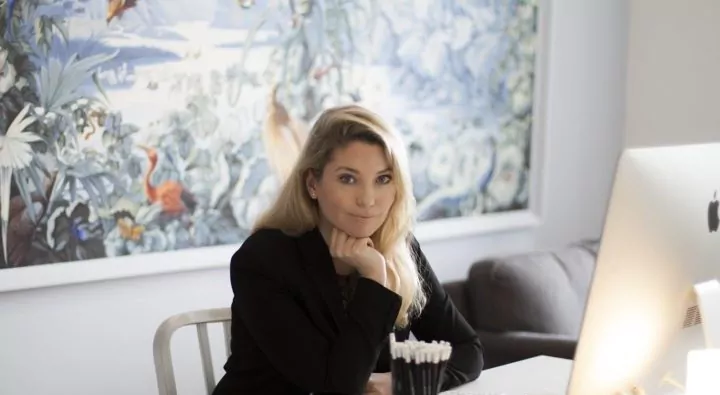
Beatrice Tourou: „Women and men are not the same, even if society is trying to make us believe we are“

Beatrice Tourou, a young female entrepreneur, shares her personal struggles and ideas from founding the tech startup Boulesse.
/artikel/interview-with-beatrice-tourou-female-entrepreneur-at-the-helm-of-a-tech-startup
(c) Boulesse

BOULESSE.com is the online luxury marketplace where manufacturers with products of highest quality come together. From handcrafted shoes to high end furniture, Boulesse has it all. Beatrice Tourou saw an opportunity in the Viennese market, when she noticed the number of traditional luxury Viennese shops that people traveled across the world to come visit. In part due to their old heritage, most of these shops had not taken the plunge into the world of E-commerce due to fast changing technological developments. Thus, Tourou decided to bring these shops together onto one platform, and provide each shop with its unique and personalised E-Shop, and thereby also making their exquisite products available around the globe.

Where did the idea of Boulesse come from?

I used to work as a fashion editor at the Financial Times in Germany and spent quite some time dealing with topics such as lifestyle, and thus also came in contact with countless stores. This is where I learnt that a number of shops in Vienna didn’t have their own E-Shop. I approached some of them and asked why this was. At the time it was already 2014, the trend for most shops to go online had already started. Their response was that they didn’t have the resources for it, nor were they big enough to cope with the challenges. This led me to the idea of creating a platform, a so called online marketplace, that would enable to group all these shops together with their own E-Shop.

What were the key challenges when starting your own business?

The biggest challenge is of course finding enough funding to start, as well as keep the company going. Finding the right people to set up the team was also an unexpected challenge. It was also a struggle to get coders on board who were genuinely interested in E-Commerce, especially because of the startup trend waves. At the time, E-Comerce wasn’t as hot of a topic as it used to be. The hot topics having transitioned to VR (virtual reality) and fintech, which made it more difficult to find programmers that were willing to invest their time and energy into an E-Commerce platform. I sadly missed the time span where people were throwing money at E-Commerce, so maybe we were a bit late. However, for these shops we weren’t, as they were all still quite behind on the whole tech aspect of their business.

Do you think the company would have evolved differently had you founded it somewhere other than Vienna?

The thing is, there are no pros without cons, and no cons without pros. It was obviously cheaper and easier perhaps to win the Austrian market as they weren’t fully established online yet. For exactly that reason, Vienna works because of its lack in tech development, which in turn allowed us to take advantage and create the platform itself. However, we started with too little funding, and it probably could have been easier to raise more money in a more tech centered city. London for example.
It is a tricky question, and one I have asked myself before. The key is to adjust your business idea to the public that you are trying to address and involve.

 Would you be ready or wish to start another company?

No, definitely not. It takes a lot of strength, effort and power to start a business from scratch, and I think I used up all my power for this lifetime. For this type of a business you really have to pour all your heart and soul into it, work late and on the weekends. Physically you can do that for a couple of years, but then you start to feel the strength and energy diminishing. I don’t think I would be able to repeat everything I did and worked so hard for. Building a startup is different from a nine to six job, you have to devote all your spare time and extra energy into it. I have of course learnt a lot.
Trying for a second time would be easier however, due to all the experience I have gathered. For example, if I decided to create another business, I wouldn’t do anything where I needed to depend on investors. I would create something on my own. A business where things can grow slowly and steadily. In this case there would be less pressure for me to deliver as well as have the success of the other’s investment on my conscience.

Where did your strength and courage stem from to set up your own business?

I am quite a disciplined person. When I decide upon something, I put all my energy and will into pursuing it. Seeing as it wasn’t only my money involved but also the money of other people. I thus pushed myself to work a lot harder and use their funding to succeed. I took the fact very seriously that there were others involved and their money was at stake. This gives you an extra boost to take your work seriously and to push yourself just that bit more.


Redaktionstipps

When faced with your biggest challenge, how did you overcome it?

What you learn from leading this type of a business is that even if you are really scared, and you don’t want to face the struggles, you have to get through it either way. You have two choices, either you run away, and your business closes down the next day, or you face your anxieties and struggles. For me there were a number of unpleasant challenges I had to face. To which I quickly realised you really just have to suck it up, persevere and push forward. That is the thing about startups. It’s not easy facing the harsh reality of its making, but you need to get through it.

Now onto more controversial topics, do you think any aspects of your business might have differed had you been a male entrepreneur?

I probably would be more aggressive concerning the financial aspects of the company. I personally am a little bit more cautious when it comes to spending. However, I must say I am not a big fan of this whole gender separation topic. I think men and women have their separate advantages and disadvantages. In the end it comes down to how you play your cards. I have never felt that anyone has treated me differently in the business sector because I am a blonde woman, nor that someone didn’t take me seriously for that reason. Yes, I have been in situations where men have used harsh tones towards me, however they would have acted the same towards any other man.
It is true yes, looking at the Pioneers Festival for example, most of the people there are men. This may be because you usually begin to create your own business after you’ve had sufficient years of experience, after you have created a network of potential investors. This is most often when you are in your thirties. Around that time however, women begin to have children and decide to take a step back from their career line. During that time most women will be placing their energy in creating a family rather than pushing for the success of a business. Its is the woman that has the responsibility to carry the child, so it makes sense that they are the ones to take a step back when deciding what to do with their future career. I think this is one of the biggest explanations to why there are so few female founders / CEO’s.

What aspects, if any, of your business do you think might have differed had you been a male entrepreneur?

I don’t think there would be any striking differences. The only big difference is that now I am in my thirties and I am thinking of starting a family and will have to transition my energy into focusing on my children for the time being. A man does have that on his mind as he also has to sustain and support a family, but this only gives him even more of a boost to keep pushing his career forward. The group of women that wish to have children just have a different mind set than men do. It is a simple equation.
One has to take biology into account. The older a woman gets, the more difficult she has it to get pregnant. Of course stress and health are a large factor that contribute to being able to get pregnant sooner. Men don’t have this aspect to keep in mind, so naturally they have a larger chance of being able to place more energy into sustaining a business. It is also difficult for men not being able to carry around a child for nine months and develop the connection all mothers have. There are downsides for both men and women.

Do you think one gender has more of an advantage over the other?

Women and men are not the same, even if society is trying to make us believe that we are. I think that there are some qualities that women have which are more enhanced. For example, you may be more into building a team, making people cooperate, maybe be more intuitive about issues, or even more cautious. Men can be more into driving a team, getting a proper performance out of the members, as some say, they push the pedal to the metal. This is sometimes needed to really get a business going. So again there is nothing wrong or right about either of the two methods, it just depends on the business as well as the situation.

Deine ungelesenen Artikel:
31.07.2026

Sonnnig: Wie das Energy-Sharing-Startup seine Endkund:innen-Plattform für Energieversorger weiterentwickelt

Das Wiener Startup sonnnig baut eine White-Label-Lösung zur Verwaltung von Energiegemeinschaften. Nach dem Erfolg bei Privatabnehmer:innen will das zwei Jahre alte Unternehmen nun Energieversorgern unter die Arme greifen. Mit einer neuen aws-Seedfinancing-Förderung im Rücken sucht das Team Partnerunternehmen.
/artikel/sonnnig-wie-das-energy-sharing-startup-seine-endkundinnen-plattform-fuer-energieversorger-weiterentwickelt
31.07.2026

Sonnnig: Wie das Energy-Sharing-Startup seine Endkund:innen-Plattform für Energieversorger weiterentwickelt

Das Wiener Startup sonnnig baut eine White-Label-Lösung zur Verwaltung von Energiegemeinschaften. Nach dem Erfolg bei Privatabnehmer:innen will das zwei Jahre alte Unternehmen nun Energieversorgern unter die Arme greifen. Mit einer neuen aws-Seedfinancing-Förderung im Rücken sucht das Team Partnerunternehmen.
/artikel/sonnnig-wie-das-energy-sharing-startup-seine-endkundinnen-plattform-fuer-energieversorger-weiterentwickelt
Das sonnnig-Gründerteam: Roman Öfferlbauer, Jonathan Buchinger und Lukas Hückel © sonnnig

Dort, wo Technik und Unternehmertum zusammenkommen, kann Großes entstehen. So auch an der TU Wien im „Extended Study on Innovation“-Programm, wo sich das Gründer-Trio, bestehend aus Roman Öfferlbauer, Lukas Hückel und Jonathan Buchinger, zum ersten Mal begegnete. Parallel dazu gründete Öfferlbauer 2023 in seinem Heimatort in Niederösterreich eine Energiegemeinschaft, zu einem Zeitpunkt, an dem das Thema noch jung und „technisch schwierig abzuwickeln“ war, so Öfferlbauer.

Aus improvisierten Tools und selbst geschriebenen Mini-Scripts für den Eigenbedarf wurde ein Jahr später sonnnig. Eine White-Label-Lösung für Abrechnung, Mitgliedermanagement und Datenanalyse von mittlerweile 30 Energiegemeinschaften in ganz Österreich.

Wenn Strom aus der Nachbarschaft kommt

„Unser Blick war eigentlich immer auf Endverbraucher und Verbraucherinnen fokussiert. Also Privatpersonen, Unternehmen, Gemeinden“, erklärt Öfferlbauer im Interview. Eine Mission, die über die letzten zwei Jahre tausende Haushalte in ganz Österreich erreicht hat. Mittlerweile kann man über sonnnig den generierten Strom auch als Mitarbeiter:innen-Benefit oder Spende abgeben. „Im letzten halben Jahr hat sich da aber auch ziemlich viel auf der anderen Seite, also bei den Energieversorgungsunternehmen, getan“, verrät der Co-Founder.

Energieversorgungsunternehmen stünden zunehmend vor einem Einkaufs- und Prognoseproblem. In der Regel verbraucht die Kundschaft ihren Strom nach einem Standardprofil, mit dem der jeweilige Versorger seine Stromeinkäufe prognostiziert. Sind die Abnehmer:innen aber Teil einer Energiegemeinschaft, verschiebt sich dieses Profil radikal: Ein großer Teil des Energiebedarfs wird jetzt von der Energiegemeinschaft gedeckt und nur noch die Restmengen werden durch den Energieversorger geliefert. „Der Energieversorger hat die Energiemenge aber schon im Vorhinein eingekauft“ – und müsse sie kurzfristig wieder verkaufen, erklärt Öfferlbauer. Ein teures Ausgleichsenergie-Problem, das mit wachsendem Energy-Sharing-Anteil immer größer wird.

Sonnnig als potenzieller Partner für Energieversorger

Genau hier setzt das neue Produkt an, für das sonnnig gerade die dritte Förderung der Austria Wirtschaftsservice (aws) erhalten hat: eine White-Label-Lösung zum Energy Sharing, die Energieversorger direkt in ihr eigenes Kund:innenportal einbinden können. Im Hintergrund liefert sonnnig die Restlastprognose auf 15-Minuten-Basis, damit Versorger gezielter am Großhandel einkaufen können.

Möglich macht das die Prognosefähigkeit, die sonnnig über Jahre mit echten Energiegemeinschaften aufgebaut hat. Ziel ist es, Versorgern einen besseren Einblick in ihre Stromverläufe zu geben und ihnen zu helfen, selbst ein Geschäftsmodell rund um Energy Sharing aufzubauen, auch als Beitrag zur Kund:innenbindung, erklärt Öfferlbauer. Am Markt kommt das gut an: „Energieversorgungsunternehmen spüren das Problem und sind zunehmend auf der Suche nach Lösungen und neuen Geschäftsmodellen im Energy-Sharing-Bereich, deshalb reden sie auf einmal mit uns“, sagt der Co-Founder. Davor sei die Beziehung eher einseitig gewesen. Zwei Pilotbetriebe hat sonnnig für das geförderte Projekt bereits akquiriert und zeigt sich offen für weitere Kooperationen.

Von First bis Seed: Der aws-Weg

Möglich wurde diese Entwicklung durch drei aufeinanderfolgende aws-Förderungen. Mit aws First Incubator, einem Programm für sehr junge Teams, teils noch vor der Firmengründung, kam das Startup zu ersten Beratungsleistungen und Mentoring. Mit aws Preseed – Innovative Solutions wurde zunächst die inhaltliche und wirtschaftliche Machbarkeit des Vorhabens überprüft und der Proof of Concept entwickelt. Darauf aufbauend unterstützt aws Seedfinancing – Innovative Solutions die Weiterentwicklung bis zum Markteintritt sowie die ersten Skalierungsschritte. In diesem Rahmen werden nun der Aufbau und der Launch des neuen B2B-Produkts finanziert.

Erwarteter Boom durch neues Elektrizitätswirtschaftsgesetz

Als besondere Meilensteine nennt Öfferlbauer Referenzprojekte mit bekannten Unternehmen wie Hartl Haus, der Nationalbank-Tochter IG Immobilien oder der Volkshilfe Wien sowie die wiederholte Verdopplung des Jahresumsatzes. Im ersten Halbjahr 2026 hat sich die geteilte Energiemenge, die über sonnnig abgewickelt wurde, laut eigenen Angaben gegenüber dem Vorjahr mehr als verdoppelt. Investor:innen hat das fünfköpfige Team bislang bewusst keine an Bord geholt, da laufende Umsätze und eine halbe Million Euro an lukrierten Entwicklungsförderungen das Team organisch tragen.

Rückenwind kommt bald auch auf politischer Ebene: Im Oktober tritt das neue Elektrizitätswirtschaftsgesetz (ElWG) in Kraft, das Energy Sharing über bilaterale Peer-to-Peer-Verträge statt über eine juristische dritte Instanz wie einen Verein oder eine GmbH erlaubt. Für sonnnig eine freudige Entwicklung: „Das baut natürlich extrem viele Hürden ab. Und deswegen erwarten wir auch einen ziemlichen Boom an neuen Mitgliedern und das nehmen auch Energieversorgungsunternehmen wahr.“


Disclaimer: Der Artikel entstand in Kooperation mit der Austria Wirtschaftsservice (aws).

Toll dass du so interessiert bist!
Hinterlasse uns bitte ein Feedback über den Button am linken Bildschirmrand.
Und klicke hier um die ganze Welt von der brutkasten zu entdecken.

brutkasten Newsletter

Aktuelle Nachrichten zu Startups, den neuesten Innovationen und politischen Entscheidungen zur Digitalisierung direkt in dein Postfach. Wähle aus unserer breiten Palette an Newslettern den passenden für dich.

Montag, Mittwoch und Freitag

AI Summaries

Beatrice Tourou: „Women and men are not the same, even if society is trying to make us believe we are“

AI Kontextualisierung

Welche gesellschaftspolitischen Auswirkungen hat der Inhalt dieses Artikels?

Leider hat die AI für diese Frage in diesem Artikel keine Antwort …

Beatrice Tourou: „Women and men are not the same, even if society is trying to make us believe we are“

AI Kontextualisierung

Welche wirtschaftlichen Auswirkungen hat der Inhalt dieses Artikels?

Leider hat die AI für diese Frage in diesem Artikel keine Antwort …

Beatrice Tourou: „Women and men are not the same, even if society is trying to make us believe we are“

AI Kontextualisierung

Welche Relevanz hat der Inhalt dieses Artikels für mich als Innovationsmanager:in?

Leider hat die AI für diese Frage in diesem Artikel keine Antwort …

Beatrice Tourou: „Women and men are not the same, even if society is trying to make us believe we are“

AI Kontextualisierung

Welche Relevanz hat der Inhalt dieses Artikels für mich als Investor:in?

Leider hat die AI für diese Frage in diesem Artikel keine Antwort …

Beatrice Tourou: „Women and men are not the same, even if society is trying to make us believe we are“

AI Kontextualisierung

Welche Relevanz hat der Inhalt dieses Artikels für mich als Politiker:in?

Leider hat die AI für diese Frage in diesem Artikel keine Antwort …

Beatrice Tourou: „Women and men are not the same, even if society is trying to make us believe we are“

AI Kontextualisierung

Was könnte das Bigger Picture von den Inhalten dieses Artikels sein?

Leider hat die AI für diese Frage in diesem Artikel keine Antwort …

Beatrice Tourou: „Women and men are not the same, even if society is trying to make us believe we are“

AI Kontextualisierung

Wer sind die relevantesten Personen in diesem Artikel?

Leider hat die AI für diese Frage in diesem Artikel keine Antwort …

Beatrice Tourou: „Women and men are not the same, even if society is trying to make us believe we are“

AI Kontextualisierung

Wer sind die relevantesten Organisationen in diesem Artikel?

Leider hat die AI für diese Frage in diesem Artikel keine Antwort …

Beatrice Tourou: „Women and men are not the same, even if society is trying to make us believe we are“